
 By
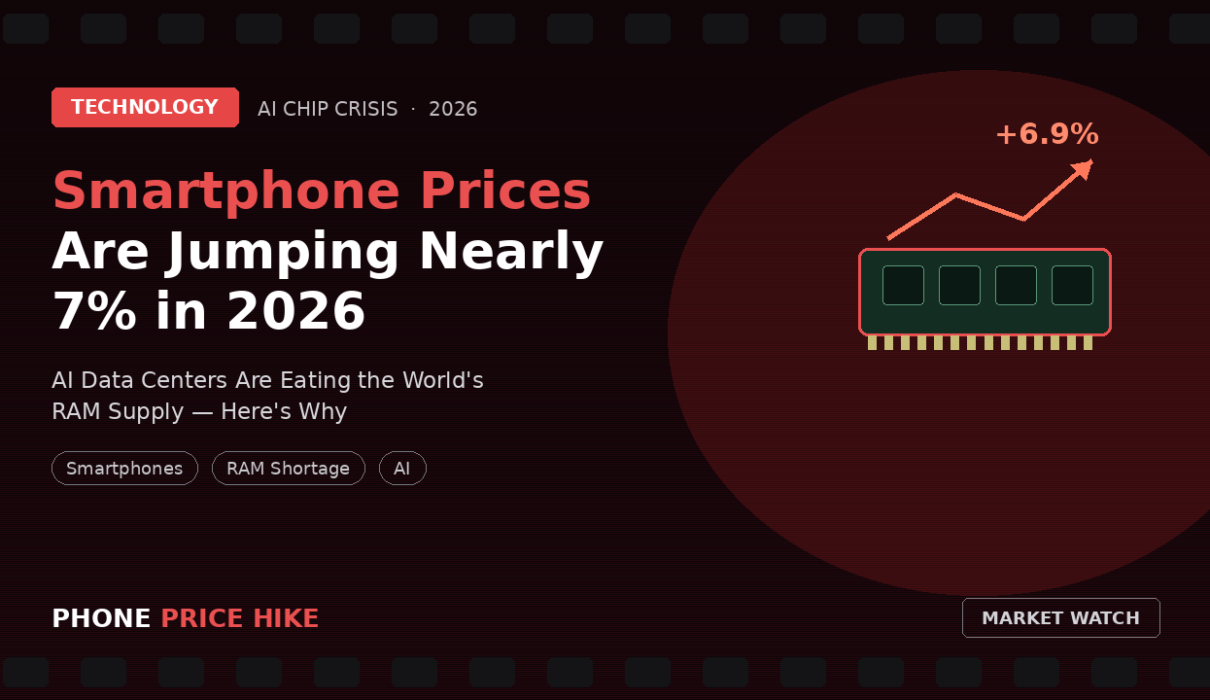
By The technology sector is currently experiencing a massive shift, and consumers worldwide are feeling the direct impact on their wallets. If you have been planning to upgrade your mobile device this year, you might have noticed a sudden and steep increase in costs across all major retail platforms. The Smartphone price hike 2026 is not merely a rumor; it is a harsh reality driven by unprecedented global supply chain issues and rapid technological shifts. Whether you are eyeing a budget-friendly Android device or a premium flagship, understanding the underlying factors behind this massive cost surge is crucial for every tech enthusiast and everyday consumer alike.
Industry experts and market analysts have been closely tracking this phenomenon for months. The ripple effects of the Smartphone price hike 2026 are fundamentally altering how manufacturers price their products and how consumers plan their digital purchases. In this comprehensive breakdown, we will explore the massive memory chip shortage, exact examples of popular phones that got costlier, the explosive growth of artificial intelligence data centers, changing consumer behaviors, and what this means for the global technology market for the remainder of the year.
The Impact of the AI Boom on Component Costs
To truly understand the root cause of the Smartphone price hike 2026, we must look beyond the mobile phone industry itself. The primary catalyst for this massive price increase is the unprecedented explosion of artificial intelligence infrastructure. Massive technology giants are currently building colossal AI data centers to train the next generation of generative AI models. These massive data centers require an astronomical amount of High Bandwidth Memory (HBM) and advanced DRAM.
Because memory manufacturers are prioritizing these highly lucrative enterprise orders, a severe bottleneck has been created for consumer electronics. The global memory chip shortage has directly resulted in component costs skyrocketing. Memory prices have surged dramatically, which inevitably forces smartphone manufacturers to adjust their retail pricing just to maintain basic profit margins. Consequently, the Smartphone price hike 2026 is fundamentally a side effect of the global race for artificial intelligence dominance.
Real Examples of the Smartphone price hike 2026
To understand just how drastically the market has shifted, we need to look at specific smartphone models across different price segments. Between late 2025 and August 2026, almost every major brand in India has heavily revised their pricing structures.
Here are some of the most shocking real-world examples:
- The Flagship Jumps (OnePlus & iQOO): Premium buyers are facing massive markups. The flagship OnePlus 15 has seen its price jump from ₹72,999 to a staggering ₹85,999, resulting in a ₹13,000 hike. Similarly, its rival, the iQOO 15, has matched this inflation, jumping from its launch price of ₹72,999 to exactly ₹85,999.
- The Premium Mid-Range Crush: Devices that were meant to be “value flagships” are no longer affordable. The OnePlus 15R skyrocketed from ₹47,999 to ₹59,999. Meanwhile, the iQOO Neo 10, which initially launched at a highly aggressive ₹31,999, now forces buyers to pay ₹43,999 for the base variant. The Realme 16 Pro+ also experienced a massive ₹10,000 hike, moving from ₹39,999 to ₹49,999.
- The Budget Segment Shift (Redmi, Samsung & Realme): Budget buyers are feeling the squeeze the most. The popular Redmi Note 15 5G was hiked by ₹6,000, going from ₹22,999 to ₹28,999. The ultra-budget Realme C71 completely changed its price segment, jumping from under ₹8,000 to around ₹12,000. Samsung has also actively raised the prices of its A and M series devices, with the entry-level Galaxy A06 5G climbing from ₹10,499 to ₹13,999.
The Rising Average Selling Price (ASP)
The financial statistics surrounding the mobile industry paint a very clear picture of this ongoing crisis. Due to the massive Smartphone price hike 2026, the Average Selling Price (ASP) of mobile devices has reached record highs across the globe.
This massive jump in the ASP proves that the Smartphone price hike 2026 is altering consumer purchasing patterns. Because ultra-budget options are disappearing or offering heavily downgraded specifications to offset costs, consumers are being subtly pushed toward higher price bands. People are opting to utilize financing options and EMI schemes to afford devices that now fall into the $200 to $400 category. The days of finding a perfectly capable daily driver for pocket change seem to be temporarily over until the supply chain stabilizes.
Manufacturers Cutting Corners to Save Costs
Faced with the massive challenge of the Smartphone price hike 2026, original equipment manufacturers (OEMs) are desperately looking for ways to keep their products somewhat affordable. Unfortunately for the consumer, this often means subtle downgrades in hardware quality. To offset the massive spike in memory costs, some smartphone companies are quietly reducing the specifications of other non-essential components.
You might begin to notice that mid-range phones released this year feature slightly inferior camera modules, less impressive display panels, or older generation audio components compared to their predecessors from the previous year. Another strategy being heavily utilized during the Smartphone price hike 2026 is the aggressive push of 4G devices. Since entry-level 5G chipsets have become significantly more expensive, brands are flooding the lower-end market with 4G-only models as a temporary stopgap measure to maintain their market share.
The Role of Import Costs and Currency Fluctuations
The global supply chain is incredibly complex, and memory chips are not the only factor at play here. When examining the complete scope of the Smartphone price hike 2026, we must also account for macroeconomic factors such as currency depreciation and logistics costs. Many developing markets rely heavily on importing critical smartphone components from massive manufacturing hubs like Taiwan and South Korea.
When local currencies weaken against the US Dollar, the cost of importing these essential components naturally skyrockets. This currency fluctuation, combined with the already inflated costs of OLED displays, high-capacity batteries, and advanced AI processing chips, creates a perfect storm for manufacturers. The Smartphone price hike 2026 reflects a compounding effect where every single step of the manufacturing and distribution process has become more expensive, leaving the end consumer to foot the final bill.
Declining Shipments and Market Adjustments
Because of the severe economic pressure placed on consumers, the global smartphone market is experiencing a massive contraction in sales volume. Prominent analytical firms like Counterpoint Research have officially revised their shipment forecasts downwards for the remainder of the year. The Smartphone price hike 2026 has resulted in a massive double-digit percentage decline in overall handset shipments as buyers become increasingly cautious.
Major Chinese smartphone brands that have traditionally relied on high-volume, low-margin business models are feeling the sharpest impact of this market shift. Meanwhile, premium brands that already command high prices are managing to weather the storm slightly better, as their target audience is generally less sensitive to marginal price increases. This massive polarization proves that the Smartphone price hike 2026 is completely reshaping the competitive hierarchy of the global telecommunications industry.
What Should Consumers Do?
If you are currently in the market for a new mobile device, navigating the Smartphone price hike 2026 requires patience and strategic planning. With brands drastically pulling back on massive upfront discounts and festive offers to protect their shrinking profit margins, finding a good deal is harder than ever.
Experts highly recommend prioritizing longevity when making a purchase. Instead of buying a heavily compromised budget phone that might become obsolete quickly, it may be wiser to utilize zero-interest EMI financing to purchase a solid mid-range or premium device that will comfortably last for three to four years. Additionally, holding onto your current device for a few more months until the memory supply chain potentially stabilizes in 2027 could save you a significant amount of money.
Looking Toward the Future
The current state of the mobile market is undeniably challenging for buyers. The Smartphone price hike 2026 serves as a stark reminder of how interconnected global technology sectors truly are. The massive hunger for artificial intelligence computation in one sector has directly caused the phones in our pockets to become significantly more expensive.
While it remains to be seen exactly when the memory chip manufacturers will catch up with the staggering global demand, analysts predict that this tough economic environment will persist well into the end of the year. Until then, consumers must adapt to this new normal, carefully weighing the cost-to-benefit ratio of every single hardware upgrade they make.
Explore more in-depth technology analysis and trending financial stories directly on Around Us World.