
 By
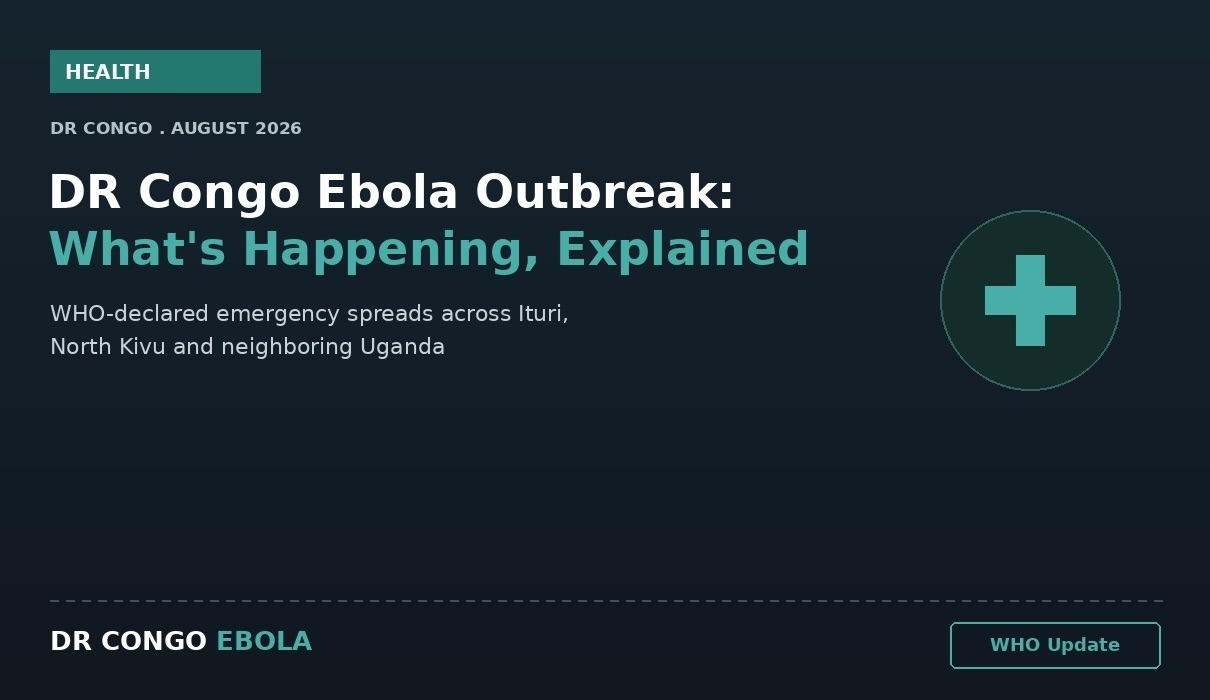
By The world of global health is constantly shifting, and keeping up with major medical alerts is crucial for everyone. Right now, international health organizations and medical professionals are closely monitoring a highly severe situation developing in Central Africa. The recent reports regarding the Dr congo ebola outbreak have triggered alarms across borders, prompting rapid responses from medical teams and governments alike. Whenever a highly infectious virus begins to spread, understanding the facts, the risks, and the preventive measures is the best way to stay safe and informed.
In this comprehensive health update, we are breaking down everything you need to know about the current crisis. From how the virus spreads in local communities to the massive global response efforts currently underway, we have got you covered. If you have been seeing headlines about the Dr congo ebola outbreak and want a clear, panic-free, and detailed explanation of what is actually happening on the ground in 2026, keep reading.
Understanding the Core of the Crisis
The Democratic Republic of Congo is unfortunately no stranger to severe viral infections. Its vast, deeply forested regions and remote communities often become the starting points for rare diseases. The current Dr congo ebola outbreak is gaining massive attention because of the speed at which new cases are being identified. Medical experts are working around the clock to trace the origin of this specific cluster, which is vital for stopping the chain of transmission.
Tracking a virus in this region is incredibly challenging. Dense jungles, limited road infrastructure, and isolated villages make it difficult for medical teams to reach affected patients quickly. Despite these massive logistical hurdles, local healthcare workers are acting as the first line of defense. Their bravery and quick reporting are the primary reasons why the world found out about the Dr congo ebola outbreak early enough to start mounting a massive international medical intervention.
How the Virus Actually Spreads
To protect communities and prevent widespread panic, people need to understand how transmission works. Unlike the flu or common colds, this virus does not spread through the air. You cannot catch it just by breathing the same air as an infected person from across a room.
The primary driver behind the Dr congo ebola outbreak is direct physical contact. The virus spreads through direct contact with the bodily fluids of a person who is sick with or has died from the disease. This includes blood, sweat, saliva, and other fluids. It can also spread by touching contaminated objects like needles, bedsheets, or clothing that have been soiled by an infected patient. Because of this direct-contact transmission, the people at the highest risk during the Dr congo ebola outbreak are the family members caring for the sick and the healthcare workers treating them in clinics.
There is also an animal-to-human transmission factor. In many deeply forested areas, people hunt or prepare wild animals for food. Handling infected animals, such as fruit bats or non-human primates, can introduce the virus into the human population, which then triggers a larger community spread.
Recognizing the Early and Late Symptoms
Awareness of symptoms is the strongest tool in stopping a viral spread. The incubation period—the time from infection to when symptoms first appear—can be anywhere from 2 to 21 days. This long window makes it very tricky to track the Dr congo ebola outbreak because an infected person might travel to a new city before they even realize they are sick.
The Initial Warning Signs
When the symptoms finally hit, they usually come on very suddenly. The early signs are easily mistaken for other common tropical diseases like malaria or typhoid.
- Sudden onset of severe fever
- Intense muscle pain and body aches
- Extreme fatigue and weakness
- Severe headaches and a sore throat
The Advanced Stages
If a patient does not receive immediate medical care, the disease progresses rapidly. As the Dr congo ebola outbreak continues, doctors are watching for the severe secondary symptoms that make this virus so dangerous. These include violent vomiting, diarrhea, impaired kidney and liver function, and in some cases, both internal and external bleeding. Getting a patient into a specialized treatment center at the very first sign of fever drastically improves their chances of survival.
The Global Health Response and Intervention
No single country can fight a virus of this magnitude alone. The international community has rallied together to provide critical support. The response to the Dr congo ebola outbreak is being heavily coordinated by leading global health authorities. Massive cargo planes carrying protective gear, mobile laboratories, and specialized isolation tents are landing in the region daily.
Agencies like the World Health Organization are deploying expert epidemiologists to the hardest-hit zones. Their main goal is contact tracing—finding everyone who has been in contact with a confirmed patient and monitoring them for 21 days. This is a massive, exhausting operation, but it is the proven method to break the chain of transmission and bring the Dr congo ebola outbreak under control.
Vaccination Efforts and Medical Breakthroughs
We are in a much better position to fight this virus today than we were a decade ago. Science has made incredible leaps forward. During previous crises, doctors could only offer supportive care, like IV fluids and pain management. Today, the fight against the Dr congo ebola outbreak involves highly effective vaccines and advanced treatments.
The Ervebo vaccine is a game-changer. Health workers use a strategy called “ring vaccination.” Instead of trying to vaccinate an entire country of millions of people, they vaccinate a “ring” of people around every confirmed patient. This includes family members, neighbors, and the medical staff treating them. By creating an immune barrier around the virus, they can starve it of new hosts. Alongside vaccines, new monoclonal antibody treatments are being administered in treatment centers, significantly lowering the mortality rate of the current Dr congo ebola outbreak.
Logistics: The Cold Chain Challenge
Having a vaccine is only half the battle; getting it to the patient is the other half. The vaccines required to fight the Dr congo ebola outbreak must be kept at extremely cold temperatures—sometimes as low as minus 80 degrees Celsius.
Imagine trying to maintain that temperature while transporting glass vials through a tropical jungle with no electricity or paved roads. To solve this, international aid groups use specialized, high-tech coolers known as Arkteks, which can keep vaccines at ultra-cold temperatures for up to a week using only dry ice. This incredible logistical effort ensures that even the most remote villages get the life-saving shots they need.
Economic Impact and Travel Advisories
Whenever a major health crisis hits, the economic shockwaves are felt almost immediately. The Dr congo ebola outbreak is already impacting local trade, agriculture, and daily business. Markets in affected areas have been shut down to prevent large gatherings, meaning local farmers cannot sell their goods. This creates a secondary crisis of food insecurity and financial stress for families who rely on daily wages.
On a global scale, international travel advisories are being updated constantly. While major airports are not completely shutting down, extensive screening measures are being put into place. Passengers traveling out of the region are having their temperatures checked, and health declaration forms are mandatory. Global health experts emphasize that completely isolating the country with strict travel bans actually harms the situation, as it stops vital medical supplies and experts from getting in to fight the Dr congo ebola outbreak.
How the Public Can Help Prevent the Spread
While the epicenter of the crisis is in Central Africa, global awareness plays a huge role in supporting the recovery. Misinformation is one of the biggest enemies during a health crisis. When false rumors spread about the Dr congo ebola outbreak, it causes panic and prevents people from seeking proper medical care.
The best thing people around the world can do is rely on verified information from trusted medical organizations. Supporting international medical charities that are working on the front lines is also a direct way to help. For the local communities in the affected zones, community engagement is the key. When local leaders and healers work together with international doctors, trust is built. Patients are more likely to go to treatment centers, and families are more likely to follow safe burial practices, which drastically slows down the Dr congo ebola outbreak.
Looking Toward the Future
Viruses will always be a part of our natural world, but our ability to respond to them is getting stronger every year. The bravery of the frontline workers dealing directly with the Dr congo ebola outbreak cannot be overstated. They risk their lives daily to ensure the virus does not spread further. With the combination of rapid contact tracing, ring vaccination, and advanced antibody treatments, health officials are optimistic that this cluster can be contained.
Staying informed about global health trends is just as important as tracking the latest technology or stock market news. It helps us understand the world better and prepares us for the future.
Catch all the latest global alerts and dive deeper into trending stories straight from our news desk on [Around Us World].